Creating a relaxing home workspace is essential for anyone who works from home or spends a significant amount of time on personal projects. A well-designed space can improve focus, reduce stress, and make your workday more enjoyable. Whether you have a dedicated room or just a small corner, these tips will help you create an environment that supports relaxation and productivity.
1. Choose the Right Location
Selecting the right spot in your home is the first step in crafting a relaxing workspace. Ideally, find a quiet area with minimal distractions. If possible, choose a space with natural light, as sunlight can boost your mood and energy levels.
– Avoid high-traffic areas where noise and interruptions are frequent.
– Ensure the space has enough room for your desk, chair, and any tools or devices you need.
– Consider privacy – a door or a screen can help separate your workspace from the rest of the home.
2. Invest in Comfortable Furniture
Comfort plays a major role in how relaxed and productive you feel. An ergonomic chair and desk are foundational pieces for any workspace.
– Look for a chair that supports your lower back and allows you to sit with your feet flat on the floor.
– Choose a desk with enough surface area for your computer, notebooks, and other essentials without feeling cluttered.
– If possible, include adjustable furniture so you can switch between sitting and standing positions.
3. Declutter and Organize
A clean, organized workspace helps clear your mind and minimize distractions.
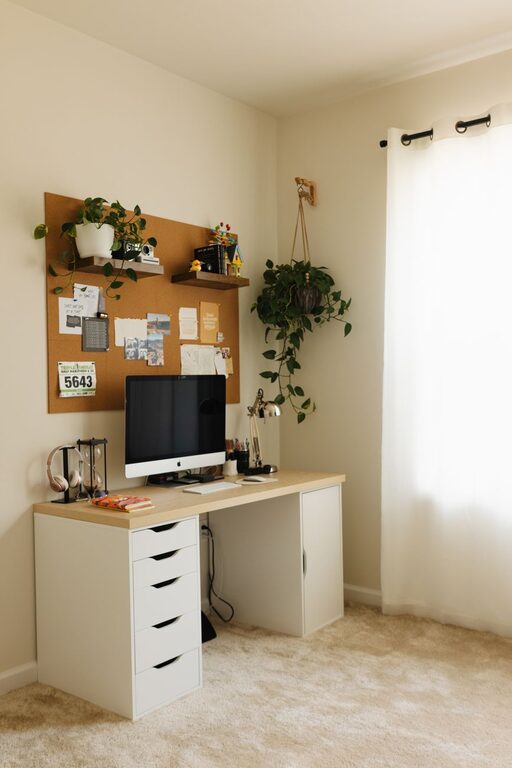
– Use storage solutions like shelves, drawers, and containers to keep supplies out of sight.
– Keep only the items you use daily on your desk.
– Regularly tidy your workspace to maintain an orderly environment.
4. Use Soothing Colors
Color can influence your mood and productivity. Soft, neutral tones are often calming and create a harmonious atmosphere.
– Consider shades like light blue, soft green, beige, or gray for walls and decorative elements.
– Add pops of color with accessories like a cushion, a rug, or artwork to inject personality without overwhelming the space.
– Avoid overly bright or harsh colors that might cause eye strain or agitation.
5. Incorporate Natural Elements
Bringing in elements from nature can create a peaceful ambiance and improve air quality.
– Place a few small plants on your desk or nearby shelves. Plants like succulents, snake plants, or pothos are easy to care for and thrive indoors.
– Use natural materials for your furniture or décor, such as wood, bamboo, or stone.
– Consider opening a window occasionally to let in fresh air.
6. Manage Lighting Effectively
Lighting affects both your comfort and your ability to focus.
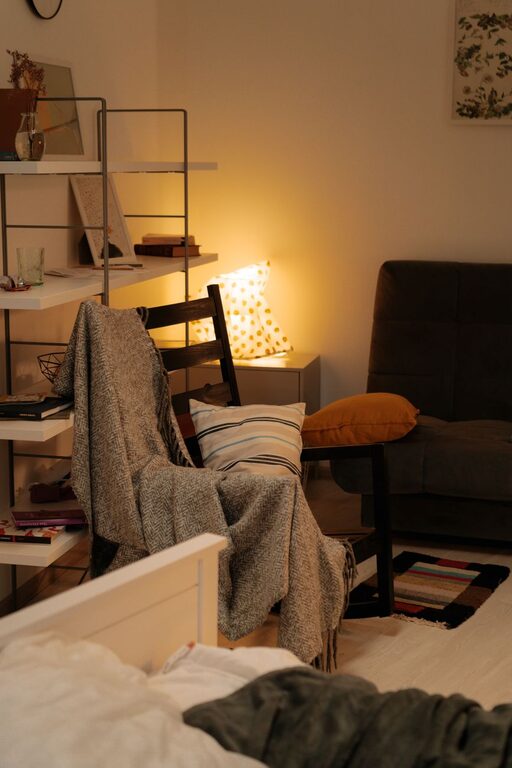
– Supplement natural light with adjustable lamps that provide soft, warm lighting.
– Avoid harsh overhead lights that can create glare or eye strain.
– Position your computer screen to minimize reflections and shadows.
7. Personalize Your Space
Adding personal touches can make your workspace feel inviting and motivating.
– Display photos, inspirational quotes, or artwork that you enjoy.
– Choose accessories that express your style, like a unique mouse pad or colorful stationery.
– Be careful not to overdecorate, as too many items can be distracting.
8. Minimize Noise Distractions
Noise can interfere with concentration and increase stress.
– Use noise-canceling headphones or white noise machines if external sounds are unavoidable.
– Soft background music or nature sounds can also promote relaxation.
– If possible, communicate with household members about quiet times during your work hours.
9. Establish a Dedicated Workspace Routine
Creating habits around your workspace signals to your brain that it’s time to work, helping you separate professional tasks from home life.
– Set consistent work hours and stick to them.
– Start your day by organizing your desk or reviewing your to-do list.
– Take regular breaks to stretch, hydrate, and rest your eyes.
10. Add Tools for Relaxation
Incorporate items that help you reduce stress during your workday.
– Keep a small stress ball, fidget toy, or essential oil diffuser nearby.
– Use a comfortable footrest or cushion to maintain good posture.
– Consider having a small water fountain or calming artwork visible to provide visual relaxation.
—
Final Thoughts
Creating a relaxing home workspace is about balance—combining functionality with comfort. By paying attention to your environment, furniture, lighting, and personal preferences, you can craft a space that supports both productivity and well-being. Remember, the goal is to have a workspace where you feel calm, focused, and inspired every time you sit down to work. With these tips, you’re well on your way to making your home workspace a peaceful haven.
About the Author