Creating a relaxing home office environment is essential for maintaining focus, reducing stress, and promoting overall well-being during your workday. Whether you are new to working from home or looking to enhance your current setup, small changes can make a big difference. This guide shares practical tips to help you design a comfortable, calming space tailored to your needs.
Why a Relaxing Home Office Matters
Working from home has become more common than ever, blending personal and professional spaces. Without a designated or thoughtfully arranged workspace, distractions can multiply, and stress levels may rise. A relaxing home office helps:
– Improve concentration and productivity
– Reduce feelings of overwhelm and burnout
– Encourage better posture and physical health
– Create a clear distinction between work time and personal time
Now, let’s explore how you can design a home office that feels inviting and peaceful.
Choose the Right Location
The first step in creating a relaxing home office is selecting the right spot. Consider these factors:
– Natural Light: A location near a window provides daylight, which supports mood and energy.
– Quietness: Choose a place away from high-traffic areas to minimize noise and interruptions.
– Space: Ensure there’s enough room for your desk, chair, and storage without feeling cramped.
If space is limited, use room dividers or arrange furniture strategically to create a separate work zone.
Invest in Comfortable and Ergonomic Furniture
Comfort is key to staying relaxed and focused. Here’s what to look for:
– Chair: Opt for an ergonomic chair that supports your back and encourages good posture. Adjustable height and lumbar support are beneficial.
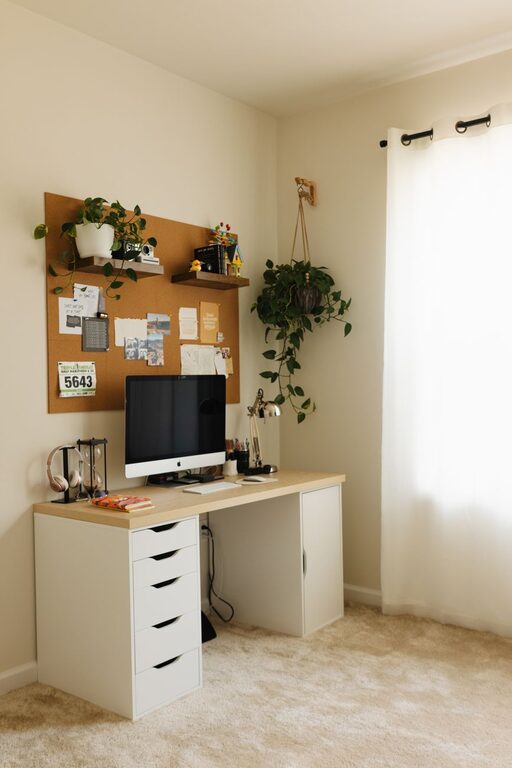
– Desk: Choose a desk that fits your space and work needs, whether traditional, adjustable standing desks, or compact models.
– Accessories: Consider a keyboard tray, monitor stand, or footrest to reduce strain and improve comfort.
Taking care of your body while working will prevent discomfort and keep you productive.
Use Soothing Colors and Decor
Colors have a subtle but powerful impact on mood. For a calming effect, select colors such as:
– Soft blues or greens
– Neutral tones like beige, gray, or white
– Pastel shades that feel gentle and light
Keep decorations simple and meaningful. Consider adding:
– Houseplants to bring a touch of nature indoors
– Artwork or photos that inspire and uplift
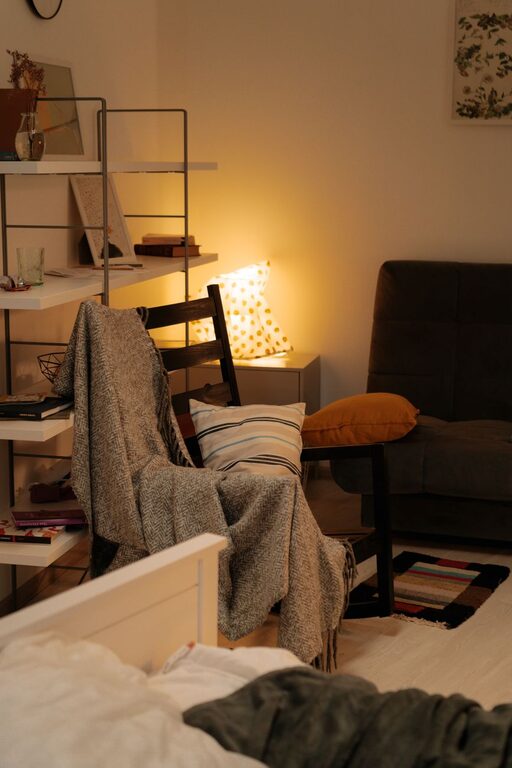
– Soft textiles like a cozy rug or throw pillow
Make sure your space feels personal yet uncluttered.
Optimize Lighting
Good lighting reduces eye strain and boosts energy. Strategy includes:
– Maximize natural sunlight during the day with sheer curtains or blinds
– Use adjustable desk lamps with warm or daylight bulbs
– Avoid harsh overhead fluorescents that can cause fatigue
If you work late, a layered lighting approach ensures flexibility and comfort.
Organize to Minimize Clutter
A tidy workspace promotes relaxation and efficiency. Tips for organization:
– Use storage solutions such as shelves, drawers, and baskets
– Keep only essentials on your desk to reduce distractions
– Develop daily habits like clearing your desk at the end of each day
Digital organization counts too—keep files and emails orderly for easier access.
Incorporate Soothing Scents and Sounds
Stimulating the senses in a gentle way helps with relaxation.
– Scents: Aromatherapy using essential oils like lavender or eucalyptus can create a calm atmosphere. Use a diffuser or scented candles (safely).
– Sounds: Perhaps soft instrumental music or nature sounds reduce stress and boost concentration. Noise-canceling headphones can block out noise distractions.
Find what sensory elements work best for your focus and calm.
Set Boundaries and Routine
A relaxing environment also depends on your habits and mindset.
– Define work hours to separate professional and personal time
– Use visual cues, like closing your laptop or turning off office lights, to signal the end of the workday
– Take regular breaks, stretch, and step outside if possible
Creating a routine supports mental relaxation and work-life balance.
Personalize Your Space
Finally, making the space your own adds comfort and motivation. Add items that bring joy or inspiration, whether:
– A favorite mug for your coffee
– Motivational quotes within sight
– A vision board or calendar to track goals
Personal touches transform your home office from just a workspace to a place you genuinely enjoy.
—
Creating a relaxing home office environment doesn’t require a major overhaul. By thoughtfully adjusting your location, furniture, decor, lighting, and habits, you can build a space that helps you feel calm, focused, and ready to tackle the day. Start with a few of these tips today and enjoy the benefits of a peaceful work-from-home setup.
About the Author