Creating a relaxing home workspace is essential for maintaining productivity, especially as more people work remotely or spend extended hours at their desks. A calm and organized environment reduces stress, improves focus, and helps you work more efficiently. In this post, we’ll explore practical tips for designing a home office space that promotes relaxation and productivity.
Why a Relaxing Workspace Matters
Your workspace sets the tone for how you feel and perform throughout the day. A cluttered or noisy area can increase stress levels and make it difficult to concentrate. On the other hand, a serene and inviting workspace encourages a positive mindset and better work habits, resulting in improved productivity and job satisfaction.
1. Choose the Right Location
Selecting the best spot for your workspace is the first step. Consider these factors:
– Natural Light: Working near a window provides natural light, which boosts mood and energy.
– Quiet Area: Pick a place away from household noises and distractions.
– Space Availability: Ensure there’s enough room for your desk, chair, and any tools or equipment you need.
Pro tip:
If space is limited, use room dividers or screens to create a separate work corner that feels distinct from other living areas.
2. Invest in Comfortable Furniture
Comfort plays a vital role in your ability to focus and work for extended periods.
– Ergonomic Chair: Choose a chair with adjustable height, lumbar support, and comfortable cushioning.
– Proper Desk: Find a desk with adequate surface area and the right height for typing and writing.
– Footrest or Adjustable Stand: Helps maintain good posture and reduce discomfort.
Remember, good ergonomics not only prevent pain but also improve concentration and energy levels.
3. Optimize Lighting
Lighting influences alertness and eye comfort.
– Maximize Daylight: Keep windows unobstructed to let in sunlight.
– Task Lighting: Use a desk lamp with adjustable brightness for focused work in the evening.
– Avoid Glare: Position screens and lights to minimize reflections and eye strain.
4. Keep Your Space Organized
An organized desk reduces distractions and helps you find what you need quickly.
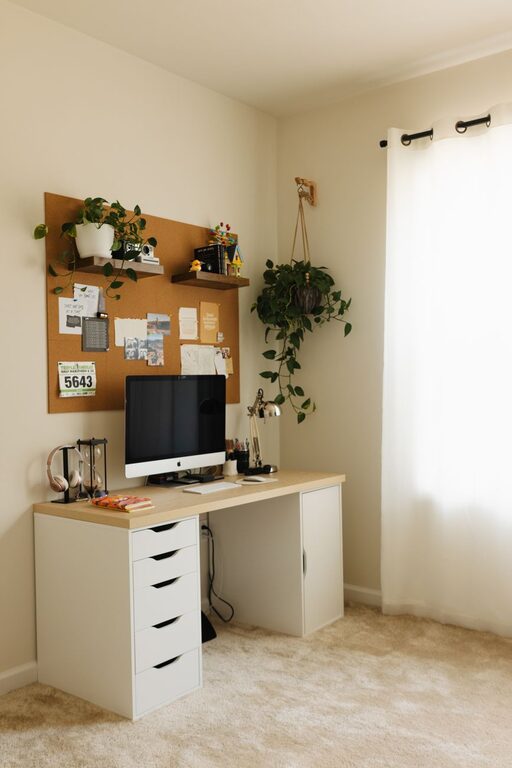
– Use Storage Solutions: Shelves, drawers, and trays keep supplies tidy.
– Declutter Daily: Take a few minutes at the end of each day to clear your workspace.
– Limit Personal Items: A few meaningful decorations can personalize the space without creating clutter.
5. Incorporate Calming Elements
Adding relaxing touches can help lower stress and improve well-being.
– Plants: Indoor plants enhance air quality and add a touch of nature.
– Soft Colors: Choose calming colors like soft blues, greens, or neutrals for walls and accessories.
– Aromatherapy: Scented candles or diffusers with lavender or eucalyptus may promote relaxation, but be mindful of any sensitivities.
6. Minimize Distractions
A relaxing workspace should limit interruptions.
– Turn Off Notifications: Silence phone and computer alerts when focusing on tasks.
– Use Noise-Canceling Headphones: Great for blocking background noise during work.
– Set Boundaries: Communicate your work hours to household members to reduce disturbances.
7. Personalize Thoughtfully
Make your workspace inviting without overcrowding it.
– Inspiring Artwork: Hang pictures or posters that motivate you.
– Meaningful Objects: Keep a few items that bring joy or calm, like a small photo or favorite mug.
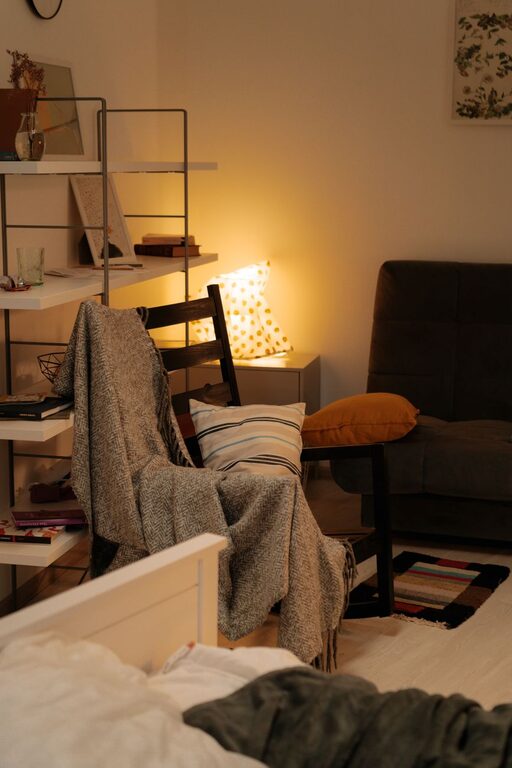
– Comfort Items: Have a cozy blanket or cushion if it helps you feel comfortable while working.
8. Take Regular Breaks
A relaxing workspace also supports healthy work habits.
– Follow the 20-20-20 Rule: Every 20 minutes, look at something 20 feet away for 20 seconds to reduce eye strain.
– Stretch and Move: Stand up, stretch, or walk for a few minutes each hour to stay refreshed.
– Stay Hydrated: Keep water nearby and drink regularly.
Conclusion
Designing a relaxing home workspace can make a big difference in your daily productivity and overall well-being. By choosing the right location, prioritizing comfort, organizing effectively, and adding calming touches, you’ll create an environment where work feels less stressful and more enjoyable. Experiment with these tips to find what works best for you, and watch how a peaceful workspace helps you stay focused and energized.
About the Author